
Bend Vacation Rental Cleaning, a Turnover Guide for Hosts
A turnover checklist for Bend and Redmond short-term rental hosts, with tips on dust and tracked-in needles, and the permit rules to check before you list.
Read the guide →Why construction cleanup takes more than one visit, what each phase covers, and how to time it around trades, inspections and move-in in Central Oregon.
Post-construction cleaning for Redmond and Bend projects is a multi-pass job, not a single visit: a rough clean while trades are finishing, a detailed final clean once work is done, and a touch-up right before handover or move-in. Fine construction dust keeps settling for days after the last tool is packed, so one clean almost never holds. Planning for all three phases is what gets a space ready on the date you promised.
Drywall sanding, cutting and finishing produce dust fine enough to hang in the air and drift into every room. It lands on ledges, inside cabinets, on light fixtures and in window tracks, then lands again after you wipe it. Central Oregon's dry air does not help. In Bend and Redmond, fine dust is a year-round condition rather than a seasonal one, and a new build adds a heavy layer on top of it.
Newer buildings are also less forgiving than people expect. Modern counters, flooring and fixtures can be dulled or etched by the wrong product or a gritty cloth, so construction cleanup is as much about method as effort. That is why post construction cleaning Redmond projects need is quoted as a multi-pass job from the start, rather than discovered halfway through.
The rough clean happens while finish trades are still on site, often after drywall and before flooring, paint touch-ups or fixtures are complete. The goal is to stop dust and debris building up underfoot and in finished areas.
The final clean is the detailed, top-to-bottom pass after construction work is finished. It is the biggest of the three and the one most people picture.
Sticker and label removal deserves its own line on a quote. Window manufacturer labels, appliance stickers and film on fixtures take time, and scraping the wrong way leaves scratches on glass or finishes.
The touch-up clean happens just before handover, final walkthrough or move-in. It catches dust that has resettled since the final clean, fingerprints from late punch-list work, and floors tracked on by the last trades through. It is short, but it is the clean your client or buyer actually sees.
The most common scheduling mistake is booking the final clean before the trades are done. If a painter, electrician or flooring installer is still coming back, the space will need cleaning again.
A workable sequence:
Final building inspections are about code compliance, not cleanliness, but a clean site makes the walkthrough easier for everyone. In Redmond and Bend, coordinate cleaning dates with your general contractor or site superintendent so the crew is not working around active trades. Give the cleaning company as much notice as you can, because slots around month-end handovers fill quickly.
How dust gets cleaned matters, not just whether it gets cleaned. Federal OSHA's construction silica standard, 29 CFR 1926.1153, which Oregon OSHA has adopted, restricts dry sweeping and dry brushing where they could contribute to worker exposure to respirable crystalline silica, unless wet sweeping, HEPA-filtered vacuuming or other low-dust methods are not feasible. It also restricts using compressed air to clean surfaces. That is a rule for employers on construction sites, but the logic carries over: wet methods and HEPA vacuums beat brooms and blowers for construction dust.
Some jobs are outside general cleaning, and we will say so plainly:
This is general information, not legal advice. Check the current rules or talk to a professional about your specific project.
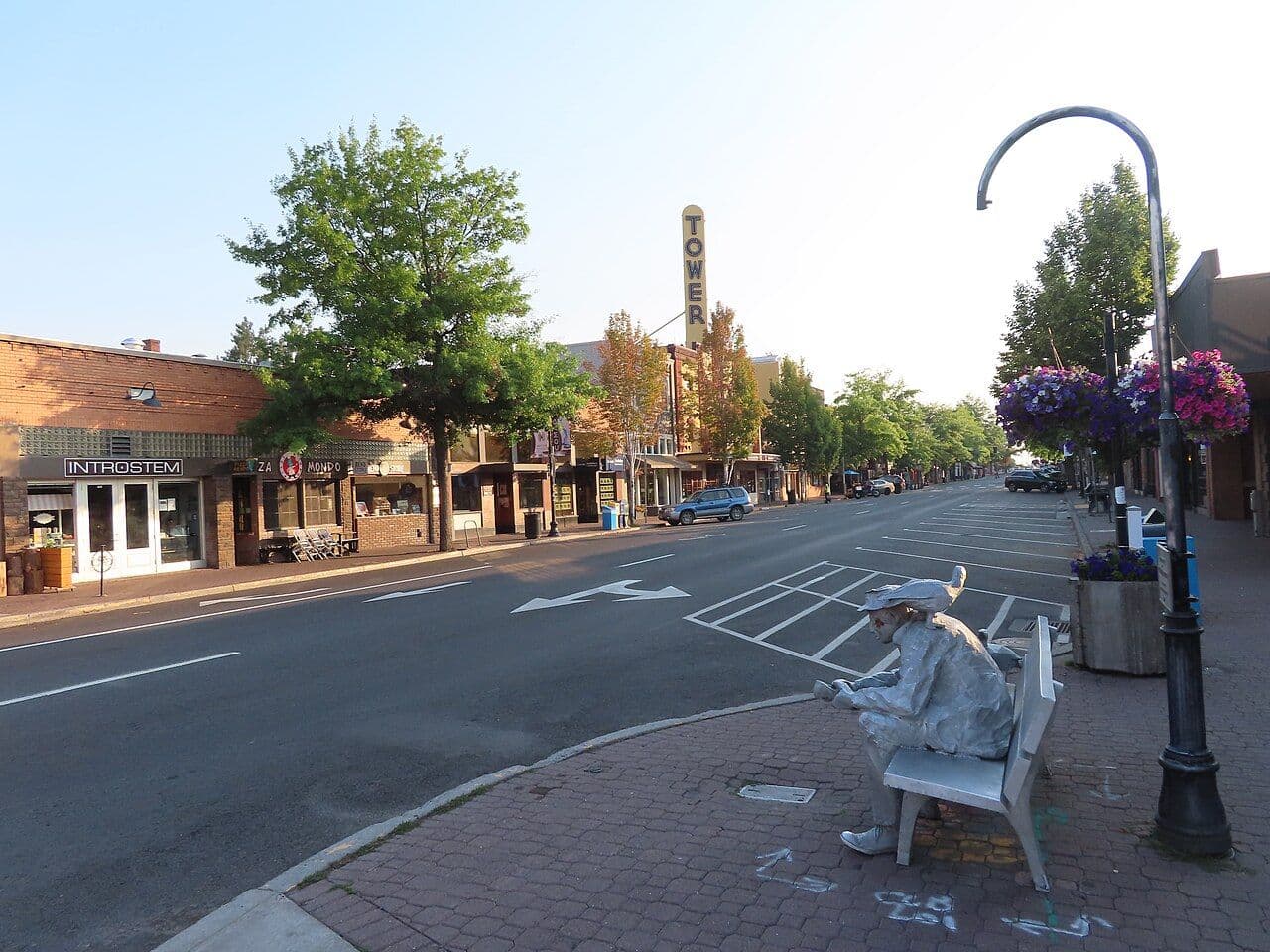
Redmond has grown quickly around its airport and industrial park, which means plenty of new commercial space and new residential construction. Bend has a steady stream of remodels, new builds and short-term rental refreshes. We serve both on a scheduled Central Oregon route alongside Prineville.
Post-construction cleanup is part of our commercial cleaning scope, for offices, retail and other commercial build-outs. For a newly built or remodeled home, the final and touch-up phases lead naturally into a move-in clean, and our residential cleaning crews can keep the house on a regular schedule after that. Crews are background-checked, insured and trained, bring their own supplies and equipment, and use eco-friendly products.
If you are moving into a new build, our guide to move-in cleaning for a new home in Central Oregon covers what to do once the keys are yours, and reducing dust in Central Oregon homes helps after that.
What affects the cost of construction cleanup is mostly square footage, how much dust and residue is left, the number of windows and fixtures, sticker and label removal, and how many phases you need. We scope all of that in person, so book a free walkthrough and estimate and we will quote the job as the multi-pass work it is.
Schedule the final clean after all trades have finished, including punch-list work, and the touch-up clean a day or two before handover, final walkthrough or move-in. A rough clean can happen earlier, usually after drywall and sanding. Booking the final clean while trades are still returning means paying for the space to be cleaned twice.
Fine construction dust stays airborne for a long time and keeps settling for days after work stops. It also hides in vents, tracks and cabinets and gets disturbed by foot traffic. That is why construction cleanup is done in phases, with a touch-up pass just before handover. In Central Oregon's dry climate, ordinary fine dust adds to the problem.
It depends on the contract. Many general contractors include a rough clean and leave the detailed final clean to the owner, while others include a final clean in their scope. Read your construction contract or ask your builder what is included, then fill the gap so the space is truly ready for occupancy.
Construction stickers and labels come off safely with the right solvent, patience and a fresh blade held at a low angle on glass, never on coated or tinted film. Trying to scrape them off dry or with an old blade is how glass and finishes get scratched. Plan for label removal as a separate task, because a new build can have dozens of them.
Yes, a rough clean is designed to happen while finish trades are still on site, to keep dust and debris under control. The detailed final clean should wait until the trades are done, because ongoing work creates new dust and marks. Coordinate dates with your general contractor so the crew is not working around active trades.
A turnover checklist for Bend and Redmond short-term rental hosts, with tips on dust and tracked-in needles, and the permit rules to check before you list.
Read the guide →After a smoky stretch, fine residue settles on surfaces, fabrics and filters. Here is a safe cleanup order, and how to tell when it is a job for a specialist.
Read the guide →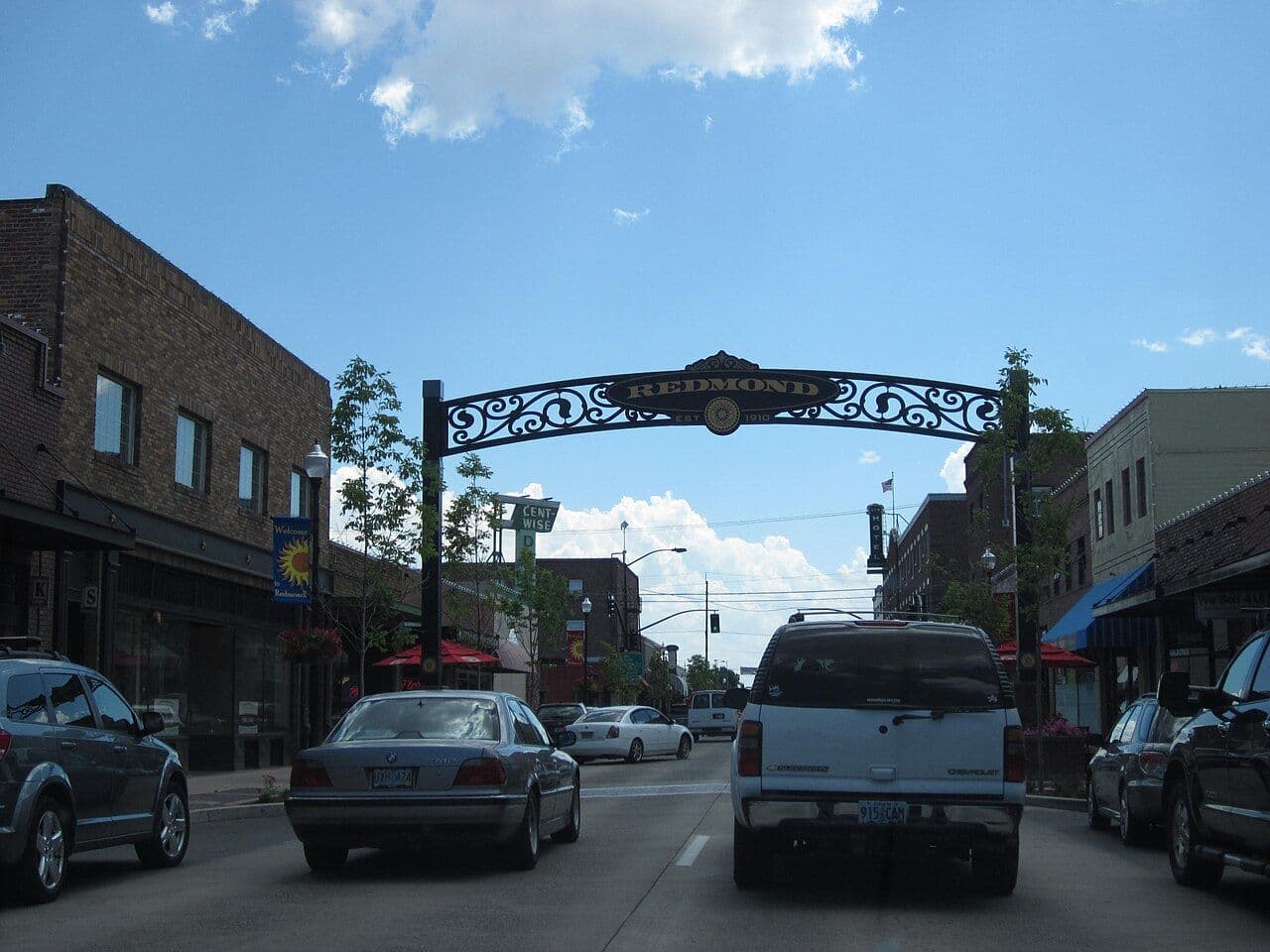
What to clean in a new-to-you or newly built Central Oregon home before the boxes come in, including construction dust that keeps settling after you get the keys.
Read the guide →We walk it, scope it and send a written quote. No fee, no obligation.